

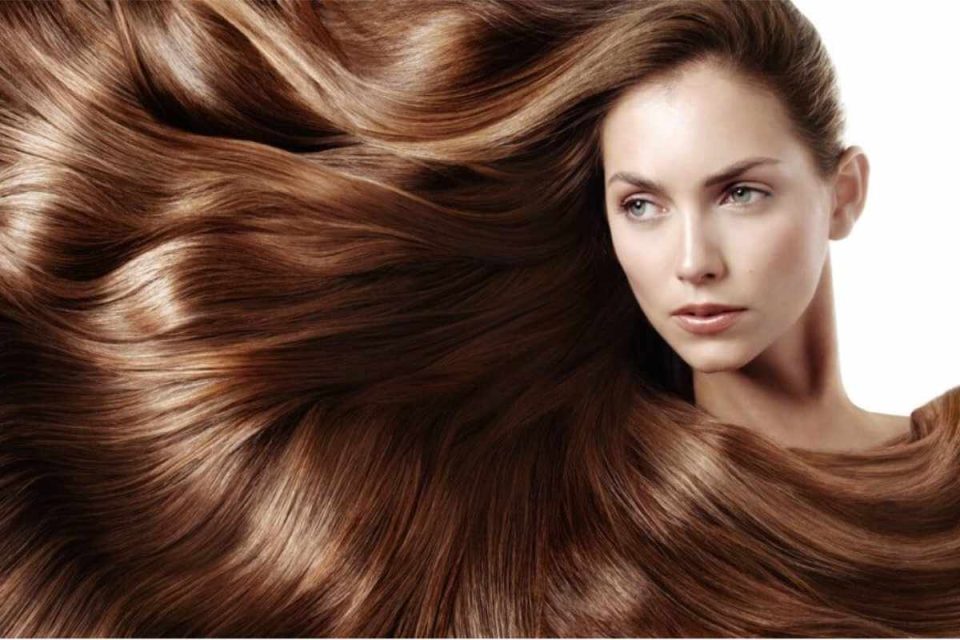
Good hair care is not about using more products; it is about managing scalp condition, minimizing fiber damage, and maintaining consistent habits that protect hair over time.
Many people feel they are “doing everything right”—buying quality shampoos, applying oils, trying treatments—yet still struggle with dryness, breakage, or hair fall. The frustration comes from treating hair care as a collection of tips instead of a system. Hair doesn’t respond to occasional effort; it responds to repeated behavior.
The direct answer: good hair care is built on three things—clean scalp balance, reduced physical damage, and routines matched to your environment and hair type.
Table of Contents
Why Most Hair Care Advice Fails
Online advice often mixes tradition, marketing, and partial science. You are told to oil more, wash less, or try trending ingredients—without understanding what problem those steps solve.
Hair health declines not because people lack products, but because they:
- Over-handle hair mechanically
- Misjudge cleansing frequency
- Focus on shine instead of structure
Understanding Hair as a Biological Fiber
The Scalp vs The Hair Strand
The scalp is living skin. It produces oil, sheds cells, and supports follicles.
Hair strands, however, are non-living keratin fibers. Once damaged, they cannot regenerate.
Dermatology bodies like American Academy of Dermatology emphasize this distinction when explaining why prevention matters more than repair.
What Actually Damages Hair
Damage is usually mechanical, not chemical.
Common causes:
- Friction from rough drying
- Repeated heat styling
- Tight hairstyles creating tension
- Environmental exposure (sun, pollution)
These act like wear on fabric—gradual, cumulative weakening.
The Three Pillars of Good Hair Care
- Scalp Maintenance
A clean, balanced scalp supports consistent growth.
Too little washing → buildup and irritation.
Too much washing → dryness and barrier disruption.
Healthy routines remove sweat, oil, and pollutants without stripping.
Research environments studying hair and scalp physiology, including work referenced by National Institutes of Health, show that scalp condition directly influences follicle efficiency.
- Moisture Management
Water hydrates hair. Oils only slow water loss.
Use conditioner to:
- Reduce friction
- Improve flexibility
- Prevent snapping during combing
Oiling is useful before washing as a protective layer—but not as daily “food” for hair.
- Damage Prevention
Most improvement comes from reducing harm:
- Pat dry instead of rubbing.
- Limit high heat.
- Use looser hairstyles.
- Detangle gently.
These changes often matter more than any serum.
Build a Routine That Matches Your Hair Type
| Hair Type | Needs | Common Mistake | Better Approach |
| Straight | Lightweight conditioning | Over-oiling | Focus on cleansing balance |
| Wavy | Frizz control | Overwashing | Use mild conditioners |
| Curly | Moisture retention | Dry brushing | Detangle when damp |
| Coily | Protection from breakage | Frequent manipulation | Low-handling styles |
Washing, Oiling, and Conditioning—What Actually Matters
How Often Should You Wash?
There is no universal rule. Wash based on:
- Sweat level
- Climate
- Scalp oiliness
In humid environments, more frequent washing prevents buildup.
The Truth About Oiling
Oils protect against washing stress but cannot reverse damage.
Use strategically, not excessively.
Conditioner Is Protection, Not Repair
Conditioners reduce friction—the main cause of mid-length breakage.
Daily Habits That Quietly Damage Hair
Checklist of common issues:
- Rubbing hair dry with towels
- Repeated tight ponytails
- Heat styling without recovery days
- Skipping trims that prevent split progression
Environment Matters More Than You Think
| Environment | Hair Challenge | Routine Adjustment |
| Humid | Swelling + frizz | Lightweight cleansing |
| Dry | Moisture loss | Conditioning focus |
| Polluted Urban Areas | Particle buildup | Regular washing |
| High Sun Exposure | UV degradation | Physical protection |
Global health organizations such as World Health Organization note how environmental exposure affects skin—similar external stressors also influence scalp condition.
A Simple Weekly Hair Care Framework
| Day | Focus | Purpose |
| Wash Day | Cleanse + condition | Reset scalp environment |
| Midweek | Minimal handling | Prevent mechanical stress |
| Pre-Wash | Light oil (optional) | Reduce wash damage |
| Weekend | Air dry, no heat | Recovery period |
What Good Hair Care Is NOT
- It is not chasing miracle products.
- It is not copying influencer routines.
- It is not avoiding washing out of fear of hair fall.
Good care is quiet, repetitive maintenance.
Long-Term Expectations: What You Can Change
You can improve:
- Breakage resistance
- Smoothness
- Manageability
You cannot permanently change:
- Natural growth rate
- Follicle density
- Genetic texture
Understanding this prevents unrealistic expectations.
Conclusion
Good hair care is less about what you apply and more about what you consistently avoid doing wrong. When routines support scalp balance and reduce physical stress, hair gradually becomes stronger, more manageable, and easier to maintain—without complicated regimens.