

Table of Contents
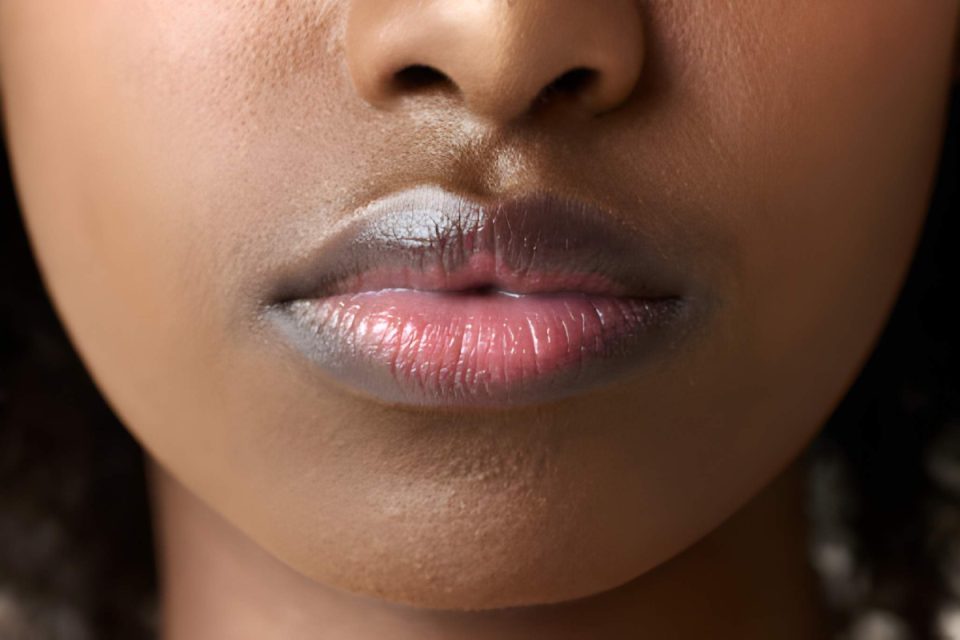
How to Lighten Dark Lips Naturally
Lip darkening is not a single condition—it is a combination of pigmentation, barrier damage, and environmental stress. Natural treatments work only when matched to the correct biological cause.
Most people try random home remedies—lemon today, sugar scrub tomorrow—and see little change or even worsening darkness. That’s because lips are structurally different from facial skin and react quickly to irritation.
Yes, dark lips can often be lightened naturally—but only by repairing damage first, protecting from triggers, and using gentle plant-based ingredients that calm melanin activity instead of “bleaching” the skin.
This guide shows what actually works, why most viral remedies fail, and how to follow a safe routine that produces visible improvement in 4–8 weeks.
Lighten Dark Lips Naturally – Ingredient–Concern Match
| Your Main Concern | Natural Ingredient Focus | Why It Works | Frequency |
| Chronic Dryness | Honey + Plant Oils | Restores moisture reservoir | Daily |
| Sun-Induced Darkness | Zinc-based SPF + Green Tea | Prevents UV-triggered melanin | Every morning |
| Irritation / Sensitivity | Aloe Vera + Oat Extract | Reduces inflammatory signals | Nightly |
| Uneven Tone | Licorice Root | Helps regulate pigment pathways | 5× weekly |
| Dull / Grey Appearance | Rosehip Oil | Supports natural renewal | Night routine |
Best Products to Support Natural Lip Lightening (Barrier-First Approach)These are supportive care products, not bleaching treatments. They help create the conditions needed for natural recovery.
|
Why Lips Become Darker (The Science Most Articles Skip)
Lips lack sebaceous (oil) glands and have a very thin protective layer. That makes them:
- Faster to dry out
- More sensitive to friction and chemicals
- Highly reactive to sunlight
- Prone to post-inflammatory pigmentation
When irritated, lips trigger melanin as a defense response, not a cosmetic flaw.
What This Means Practically
If you treat pigmentation without fixing irritation, the body keeps producing pigment.
That’s why many “natural whitening” tricks fail.
The 4 Types of Lip Darkening (Identify Yours First)
| Type | What It Looks Like | Root Cause | Reversible Naturally? | Priority Treatment |
| Inflammatory Darkening | Uneven brown tone | Licking, allergies, scrubs | Yes | Barrier repair |
| Sun-Induced Pigmentation | Overall deepening | UV exposure | Yes | SPF + antioxidants |
| Dryness-Related Dullness | Greyish, cracked look | Dehydration | Yes | Occlusive hydration |
| Lifestyle Pigmentation | Persistent darker shade | Smoking, caffeine excess, friction | Partially | Anti-inflammatory care |
| Genetic Tone | Naturally deeper color | Baseline melanin | Not meant to change | Maintenance only |
Important: Not all dark lips are meant to become pink. Some are simply your natural tone.
Natural Ingredients That Actually Help And Why?
Instead of “lightening,” these ingredients reduce triggers that cause pigmentation.
| Ingredient | Active Compounds | What It Fixes | How to Use |
| Licorice Root | Glabridin | Helps regulate excess melanin signals | Balm or mask |
| Aloe Vera | Polysaccharides | Calms inflammation | Thin layer nightly |
| Rosehip | Natural retinoid precursors | Supports renewal | Oil sealant |
| Beetroot (mild use) | Antioxidants | Improves tone temporarily | Weekly mask |
| Honey | Humectants | Repairs moisture barrier | Daily hydration |
| Green Tea | Polyphenols | Reduces oxidative stress | Compress treatment |
These are supported by dermatological research into anti-inflammatory botanicals discussed in journals such as the Journal of Clinical and Aesthetic Dermatology and International Journal of Cosmetic Science.
Remedies That Often Make Lips Darker (Despite Being Popular)
| Common DIY Trend | Why It Backfires | Long-Term Effect |
| Lemon Juice | Too acidic for lip barrier | Post-inflammatory pigmentation |
| Sugar Scrubs | Micro-tears in thin skin | Chronic darkening |
| Baking Soda | Disrupts pH balance | Dryness cycle |
| Toothpaste Masks | Detergents irritate tissue | Patchy discoloration |
| Frequent Exfoliation | Prevents healing | Slower recovery |
Dermatology guidance from organizations like the American Academy of Dermatology consistently warns against using unregulated exfoliation on delicate skin zones.
The Correct Natural Routine (AM / PM Framework)
Morning: Protection Phase
| Step | Why It Matters |
| Hydrate with humectant (honey-based balm) | Prevents dehydration-triggered pigment |
| Apply mineral SPF lip balm | Stops UV-driven darkening |
| Avoid licking lips | Saliva worsens inflammation |
Evening: Repair Phase
| Step | Why It Matters |
| Clean gently (no scrubbing) | Prevents barrier damage |
| Apply aloe or licorice treatment | Calms pigment signals |
| Seal with nourishing oil | Supports overnight repair |
Weekly: Renewal Phase
| Step | Why It Matters |
| Use soft cloth exfoliation | Removes flakes without trauma |
| Apply antioxidant mask | Supports regeneration |
Timeline: When Will You See Results?
| Week | What’s Happening Biologically | Visible Change |
| Week 1 | Barrier stabilizing | Lips feel softer |
| Week 2 | Inflammation decreases | Tone looks more even |
| Week 4 | Skin turnover cycle completes | Mild lightening visible |
| Week 6–8 | Pigment signaling reduced | Noticeable improvement |
Natural care is slow because it works with cellular renewal rather than against it.
Climate Matters More Than You Think
People in high-UV environments must prioritize protection before treatment.
| Region Type | Main Risk | Adjustment Needed |
| Hot / Tropical | UV + dehydration | SPF + occlusive balms |
| Cold / Dry | Barrier cracking | Heavy hydration focus |
| Urban / Polluted | Oxidative stress | Antioxidant botanicals |
| Coastal | Salt exposure | Repair-based care |
Research highlighted by the World Health Organization on UV exposure underscores that sunlight drives pigmentation changes, even on small skin surfaces such as the lips.
Safe vs Risky Natural Methods (Quick Comparison)
| Goal | Safe Method | Risky Method |
| Hydration | Honey + oils | Petroleum over damaged skin |
| Exfoliation | Soft cloth weekly | Daily scrubs |
| Tone support | Licorice / aloe | Citrus acids |
| Protection | Mineral SPF | Ignoring sun exposure |
Who This Approach Is For lip darkening Advice
This Guide Is Ideal For:
- Mild to moderate lip darkening
- Lifestyle-related pigmentation
- Dry, irritated lips from the environment
- People seeking gradual, safe improvement
Seek Professional Evaluation If:
- Pigmentation appears suddenly
- You notice scaling, bleeding, or lesions
- Darkness is linked to medication or illness
- No improvement after 8–10 weeks
Medical literature from sources like the Mayo Clinic emphasizes ruling out underlying dermatologic or systemic causes when discoloration persists.
The Biggest Mindset Shift: Stop Trying to “Bleach” Your Lips
Natural medicine doesn’t lighten lips by removing color.
It restores the conditions where your natural tone can return.
Trying to force faster results is what causes most failures.
A Simple 6-Week Natural Protocol
| Week Range | Focus | Expected Outcome |
| 1–2 | Hydration + protection | Damage control |
| 3–4 | Anti-inflammatory care | Tone stabilization |
| 5–6 | Gentle renewal | Visible softening of darkness |
Conclusion
Dark lips are rarely a cosmetic defect—they are a biological signal of stress.
Once you address the real causes—barrier damage, UV exposure, and chronic irritation—natural treatments can gradually restore a healthier tone. The safest approach is not aggressive lightening, but consistent repair and protection aligned with how lip skin actually functions.
Frequently Asked Questions
Can dark lips become permanently pink?
Only if the darkening is caused by reversible factors. Genetic tone will not—and should not—change.
How long should I try natural methods before considering treatment?
Give a consistent routine at least 6–8 weeks, the time required for full tissue renewal.
Is exfoliation necessary?
Minimal exfoliation helps remove flakes, but overdoing it is a leading cause of worsening pigmentation.
Do natural remedies work for smokers’ lips?
They can improve tone, but continued exposure will limit results.
Is SPF really needed on lips?
Yes. Lips receive intense UV exposure and lack natural protection, making sunscreen one of the most effective “natural” interventions.