

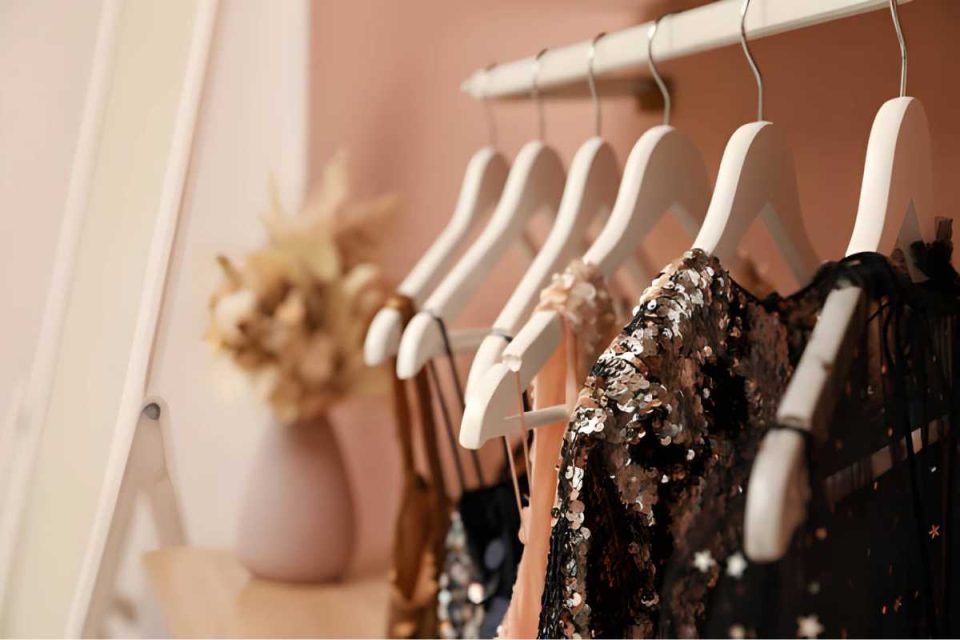
Party Outfit Guide: How to Choose the Right Look for Any Party
Party outfits work best when treated as a context-driven styling system—based on party type, time, venue, dress code, and social signaling—rather than random “cute outfit” lists.
Most people search for “party outfit” because they’re stuck. They don’t know what fits the occasion, people are afraid of being over- or under-dressed, and scrolling outfit photos only makes it worse. The real issue is not a lack of options—it’s a lack of decision logic.
The direct answer: choose the right party outfit by reading the context first, then build the outfit around it. Once you do that, decisions get simpler, faster, and more confident.
Takeaway Key
- A party outfit is about context, not trends alone.
- Party type, time, venue, and dress code matter more than body type rules.
- Most outfit mistakes come from misreading the social setting.
- You can reuse core pieces by changing accessories and structure.
- “Dressed right” usually means slightly better than average, not extreme.
Who This Article Is (and Isn’t) For
This is for:
- Beginners who ask, “What should I wear to this party?”
- Intermediates who want styling logic, not Pinterest dumps.
- Professionals who want a clear framework to evaluate outfits.
This is not for:
- High-fashion runway analysis.
- Ultra-specific subcultures with fixed uniforms (e.g., cosplay-only events).
Why Most Party Outfit Advice Fails
Most top-ranking pages do one thing:
They show lists of outfits without explaining why they work.
That leads to common failures:
- A “night party outfit” worn to a family function
- A club dress worn to a house party
- A flashy outfit at a minimalist event
The missing piece is social signaling. Clothing communicates effort, respect, confidence, and awareness. Fashion authorities like Vogue, GQ, and the Business of Fashion consistently emphasize context and intention over copying trends—yet most beginner guides ignore this.
Step 1: Identify the Party Type (This Is Non-Negotiable)
Start here before thinking about colors or silhouettes.
| Party Type | Core Expectation | Outfit Direction |
| House party | Relaxed, social | Casual-polished |
| Birthday party | Celebratory | Elevated casual |
| Club party | Bold, nightlife | Statement-focused |
| Cocktail party | Refined | Structured, elegant |
| Office party | Professional-safe | Controlled festive |
| Wedding party | Respectful, formal | Dress code first |
Rule: If you misread the party type, no styling trick can save the outfit.
Step 2: Time + Venue Change the Rules
Day vs Night
- Day parties: lighter fabrics, softer colors, simpler silhouettes
- Night parties: darker tones, contrast, shine, sharper lines
Indoor vs Outdoor
- Outdoor events demand functional footwear and layers.
- Indoor parties allow more experimental styling.
Illustrative example:
A satin dress might work at a nightclub party, but feel awkward at a sunny garden brunch. Same dress. Wrong context.
Step 3: Decode the Dress Code (Even If It’s Not Written)
Not all dress codes are explicit. Many are implied.
| Dress Code Signal | What It Actually Means |
| “Casual” | Clean, intentional, not lazy |
| “Smart casual” | Structured pieces, relaxed fit |
| “Cocktail” | Dress or tailored outfit, no denim |
| “Festive” | Color, texture, or statement detail |
| “All black” | Minimalist, polished, cohesive |
Common mistake:
Taking “casual” as permission to underdress. Style research and etiquette guidance from institutions such as the Emily Post Institute emphasize that “casual” still implies effort.
Step 4: Build the Outfit as a System (Not a Single Piece)
Instead of asking, “Is this dress good?”, ask:
- What is the hero piece?
- What supports it without competing?
- Where does interest come from—fit, color, texture, or accessories?
Outfit System Framework
- Base: dress, suit, co-ord, or top + bottom
- Structure: tailoring, layering, or cinching
- Signal: shoes, bag, jewelry, makeup
This system thinking is what stylists use—and why their outfits look “effortless.”
Party Outfit Ideas by Context (With Logic)
House Party
- Jeans or trousers + elevated top
- Clean sneakers or block heels
- One statement accessory
Why it works: Social, comfortable, but intentional.
Club Party
- Bodycon dress or sharp co-ord
- Heels or statement boots
- Bold makeup or metallic element
Why it works: Low light + high energy favors contrast and boldness.
Office Party
- Midi dress, blazer, or tailored trousers
- Neutral base with one festive detail
Why it works: Signals professionalism and participation.
Common Party Outfit Mistakes (And How to Fix Them)
- Overdressing for attention → Scale back one element
- Ignoring footwear → Shoes often set the formality level
- Trend overload → One trend per outfit is enough
- Comfort denial → If you can’t move, it will show
Fashion psychology research often cited by Harvard Business Review shows that discomfort reduces confidence and social presence—both critical at parties.
Can One Party Outfit Work for Multiple Events?
Yes—if built strategically.
Reuse strategy:
- Change shoes (heels ↔ flats)
- Swap statement jewelry
- Add or remove a layer
This is especially useful for budget-conscious shoppers or minimal wardrobes.
Regional & Cultural Notes (Brief but Important)
- US / Europe: Dress codes are often flexible but context-heavy.
- South Asia: Party outfits may skew more formal; cultural expectations matter.
- Middle East: Modesty norms can influence acceptable silhouettes.
Always prioritize local norms over global trends.
Final POV: Dress for the Room, Not the Algorithm
A great party outfit doesn’t chase virality.
It reads the room.
When you understand party context, social signaling, and outfit systems, you stop guessing—and start choosing with confidence. That’s the difference between wearing clothes and using them.