

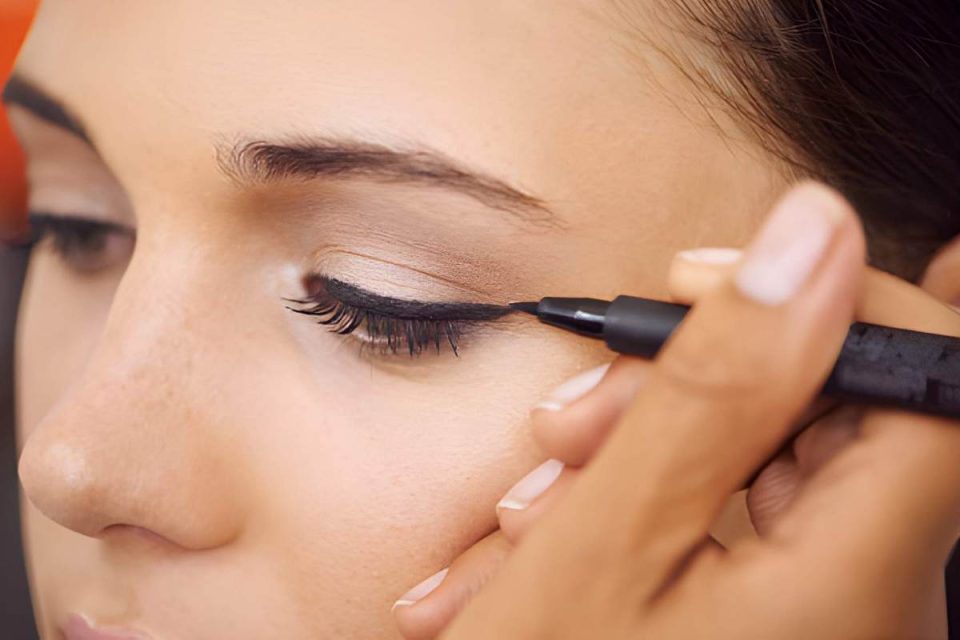
Eyeliner is a powerful tool in any makeup bag, capable of transforming your entire look. From subtle definition to bold, dramatic statements, the right eyeliner makeup can accentuate your eyes and boost your confidence. But with so many options out there, how do you know which one is right for you? This guide will help you navigate the world of eyeliner, from understanding different types to mastering application techniques for your unique eye shape. Get ready to perfect your eye makeup and make your eyes the center of attention.
Table of Contents
What is Eyeliner and Its Role in Eye Makeup
Eyeliner is a staple for a reason. It defines your eyes, enhances their natural shape, and can take your eye makeup from simple to stunning. Whether you’re aiming for a subtle everyday look or a dramatic effect for a night out, the right eyeliner can make all the difference. It’s the key to creating a polished and complete eye makeup look, working hand-in-hand with eyeshadow and mascara to make your eyes pop.
With a variety of eyeliner styles available, the possibilities are endless. You can create a classic winged look, a smoky smudge, or even intricate graphic designs. Finding the best eyeliner for your skill level and desired outcome is crucial. The journey to the perfect eye makeup look starts with understanding the history of this cosmetic and why it’s so important for different eye shapes.
A Brief History of Eyeliner in Beauty
Eyeliner has a long and fascinating history in the world of beauty. Its origins trace back to ancient civilizations, most notably ancient Egypt, where both men and women used kohl to line their eyes. This created dramatic looks that were believed to ward off the evil eye and protect against eye ailments.
Over the centuries, the use of eyeliner has evolved, becoming a symbol of rebellion, glamour, and self-expression. From the flappers of the 1920s to the bold cat eyes of the 1960s, eyeliner has consistently been a key component of iconic beauty trends.
Today, it remains a beloved cosmetic staple. The modern makeup look often incorporates eyeliner to define and enhance the eyes, proving that this ancient tool continues to be a powerful way to create both everyday and dramatic looks.
Why Eyeliner Matters for Different Eye Shapes
Applying eyeliner isn’t a one-size-fits-all process. Your unique eye shape plays a significant role in determining which techniques will be most flattering. The right application can balance your features, create illusions of size and shape, and truly make your eyes pop.
For example, a winged liner can elongate round eyes, while a thin line can open up hooded eyes. By understanding your eye shape, you can tailor your eye makeup to highlight your best features. This is the secret to taking your look from good to great.
Experimenting with different eyeliner looks based on your eye shape is the best way to discover what works for you. Whether you have almond, round, hooded, or monolid eyes, there’s a specific style that will accentuate your natural beauty and complete your makeup.
What Eyeliner Actually Does
Eyeliner increases contrast at the lash line, which changes how the eye is framed and perceived.
| Placement Style | Visual Effect | When to Use |
| Ultra-thin, lash-hugging | Fuller-looking lashes | Everyday definition |
| Slight outer extension | Elongated eye shape | Professional settings |
| Thicker center | Larger-looking eyes | Round-eye balancing |
| Lifted outer edge | Subtle “lift” effect | Mature or hooded eyes |
This is why eyeliner works even without eyeshadow—it manipulates light and contrast.
Understanding the Main Types of Eyeliner
Choosing the right eyeliner can feel overwhelming with so many options available. The main types of eyeliners—pencil, liquid, and gel—each have a unique eyeliner formula and application method, making them suitable for different effects and skill levels. Understanding how these popular types of eyeliner differ is key to achieving your desired eye makeup look.
From the creamy blendability of a pencil to the sharp precision of a liquid, each type offers distinct advantages. Let’s explore the features and benefits of these formulas to help you decide which one is the perfect fit for your makeup routine.
Pencil Eyeliner: Features and Benefits
Pencil eyeliner is often considered the most user-friendly option, making it a great choice for beginners. If you’ve ever used a kajal, you’ll find the transition to a pencil liner seamless. The ease of a pencil allows for excellent control, and its creamy formula glides on smoothly for comfortable application, which is perfect for everyday wear.
One of the best features of a pencil eyeliner is its versatility. You can sharpen the tip for more precise lines or keep it slightly blunt for a softer, smudged effect. This makes it ideal for creating subtle definition or building up to dramatic smoky eyes.
Here are some key benefits of pencil eyeliners:
- Beginner-Friendly: Its forgiving nature makes it easy to correct mistakes.
- Versatile Finish: You can create both defined lines and smudged, smoky looks.
- Creamy Texture: Glides on easily without pulling on the delicate eye area.
Liquid Eyeliner: Defined Lines and Dramatic Looks
For those who crave bold, sharp lines and dramatic looks, liquid eyeliner is the ultimate tool. It’s the first choice for creating precise styles like winged liner, cat eyes, and graphic designs. While it requires a steady hand to master, the stunning results are well worth the practice.
Liquid eyeliners typically come in a tube with a brush applicator or as a liquid eyeliner pen with a fine tip. This allows for unparalleled precision, helping you draw everything from ultra-thin lines to bold, impactful strokes. The formula usually has intense pigmentation and dries quickly for a long-lasting finish.
Key advantages of liquid eyeliner include:
- Precision Application: The fine tip is perfect for creating sharp lines and intricate details.
- Intense Color: Delivers a bold, defined look that makes your eyes stand out.
- Long-Lasting Wear: Many formulas are designed to stay put all day without smudging.
Gel Eyeliner: Creamy Texture and Precision
Gel eyeliner offers the best of both worlds: the smooth application of a pencil and the precision of a liquid. Typically packaged in a small pot, gel liners are applied with a separate eyeliner brush, often an angled brush, which gives you excellent control over the thickness and shape of your line.
The creamy texture of gel eyeliner glides on effortlessly, allowing you to create anything from soft, smudged lines to sharp, precise lines. Gel liners are incredibly versatile; they can be used to define the lash line, as an eyeshadow base, or smudged out for a classic smoky eye.
Consider these benefits of gel eyeliner:
- Versatile Use: Ideal for creating various looks, from subtle definition to dramatic effects.
- Smudge-Proof: Once it sets, the formula is generally budge-proof and waterproof.
- Rich Pigmentation: Delivers intense color with a smooth, even finish.
Waterproof Eyeliner: What Sets It Apart
For anyone needing their eyeliner to last through humidity, tears, or a long day, waterproof eyeliner is a must-have. Its key difference lies in its formula, which is designed to resist moisture and oils. This makes it an excellent option for those with oily eyelids or for special occasions where you need your makeup to stay flawless.
Brands like thrive causemetics offer infinity waterproof formulas that provide intense pigmentation and incredible lasting power. While regular eyeliners may smudge or fade over time, a waterproof version creates a bond with your skin that ensures it won’t budge until you’re ready to take it off with a good makeup remover.
Here’s a quick comparison:
| Feature | Regular Eyeliner | Waterproof Eyeliner |
|---|---|---|
| Lasting Power | Moderate; may fade or smudge during the day. | Excellent; designed to last all day without smudging. |
| Resistance | Vulnerable to water, sweat, and oil. | Resistant to water, sweat, tears, and humidity. |
| Removal | Easily removed with standard cleansers. | Requires an oil-based makeup remover for effective removal. |
Choosing Eyeliner Based on Your Eye Shape
Now that you know the different types of eyeliner, the next step is to choose one based on your unique eye shape. Not all eyeliner styles complement every eye. A professional makeup artist will tell you that the secret to stunning eye makeup is to work with your natural features, not against them. Selecting the best choice of eyeliner and technique can dramatically enhance your eyes.
Whether you have almond, round, hooded, or monolid eyes, there are specific techniques that will flatter you most. Let’s explore the best eyeliner choices and application methods for different eye shapes.
Best Eyeliner Choices for Almond Eyes
If you have almond eyes, you’ve hit the eyeliner lottery! This versatile eye shape can pull off almost any eyeliner makeup style, from a simple tightline to a dramatic cat eye. Because of their balanced proportions, almond eyes are the perfect canvas for experimenting with different looks.
You can start with a thin line along your upper lash line and gradually thicken it as you move toward the outer corner. For a classic look, extend the line into a subtle wing. If you’re feeling bold, don’t be afraid to try a more pronounced graphic eyeliner style.
Here are some top techniques for almond eyes:
- Classic Wing: A winged or cat eye look beautifully accentuates the natural upward lift of almond eyes.
- Tightlining: Applying eyeliner to the upper waterline adds subtle definition without looking heavy.
- Smoky Eye: A smudged-out liner on both the top and bottom lash lines adds depth and drama.
Ideal Eyeliner Techniques for Round Eyes
For those with round eyes, the goal of your eyeliner is to create the illusion of length and a more almond-like shape. The key is to focus the application on the outer portion of your eyes to draw them outward. This technique helps elongate the eye and adds a touch of sultry definition.
Start your eyeliner from the middle of your upper lash line and extend it outward, creating a wing. Avoid applying thick lines on the inner corner, as this can make your eyes appear even rounder. An eyeliner pen or a liquid liner with a fine-tip eyeliner brush is perfect for creating the sharp, extended line needed for this eye makeup look.
Try these techniques for round eyes:
- Elongated Wing: Draw a wing that extends upward and outward to lift and lengthen the eye.
- Outer Corner Focus: Concentrate the liner on the outer third of your lash line.
- Avoid Lower Liner: Skip lining the entire lower lash line, as it can close off the eyes.
Tips for Hooded Eyes and Monolids
Applying eye liner on hooded eyes and monolids can be tricky, as the eyelid space is less visible. For hooded eyes, where a fold of skin covers the crease, the key is to create a line that is visible when your eyes are open. Apply a thin line close to the lash line and create a wing that extends outward from the outer corner.
For monolids, which lack a defined crease, you have a great canvas for bold looks. Thick, dramatic lines and graphic eyeliner styles stand out beautifully. A waterproof, smudge-proof formula is essential to prevent the liner from transferring onto the upper part of your eye area. Drawing precise lines is key for both eye shapes.
Here are some tips:
- Hooded Eyes: Keep the liner thin and create a wing that starts from the outer corner to lift the eye.
- Monolids: Don’t be afraid to go for thick lines or dramatic cat eyes to make your eyes pop.
- Use Waterproof Formulas: A transfer-proof eye liner is crucial to keep your look clean all day.
Beginner’s Guide: How to Apply Eyeliner for Your Eye Shape
Ready to master eyeliner application? This guide is for all skill levels, from total beginners to those looking to perfect their technique. Creating the perfect cat eye or subtle fine lines can seem daunting, but with a few simple steps, you can achieve a flawless eyeliner makeup look every time. Knowing the right eyeliner styles for your eye shape is half the battle.
We’ll walk you through everything you need to get started, from the essential tools to a step-by-step process for drawing, perfecting, and setting your eyeliner.
What You’ll Need to Get Started
Before you begin, gathering the right tools will make the application process much smoother. Your choice of eyeliner is the most important, whether it’s a pencil for smudging, a liquid eyeliner pen for precision, or a gel pot with an eyeliner brush for versatility.
Besides your eyeliner, a few other items can help you achieve a professional-looking result. An eye shadow primer will create a smooth base and help your liner last longer. You might also want some cotton swabs and makeup remover on hand for quick clean-ups.
Here’s a list of essentials for the perfect makeup look:
- Your Eyeliner of Choice: Pencil, liquid, or gel.
- An Angled Eyeliner Brush: Essential if you’re using a gel liner.
- Eye Primer or Powder Eyeshadow: To prep the eyelids.
- Cotton Swabs and Makeup Remover: For correcting any mistakes.
Step-by-Step Guide/Process
Creating the perfect eyeliner makeup look is a process that can be broken down into simple, manageable steps. Whether you’re using one of the most popular types of eyeliner or a new formula, following a consistent method will help you achieve clean, precise lines every time.
The process involves prepping your eyes, carefully mapping out and drawing the line, and then perfecting the final look. By taking your time with each stage, you can build your confidence and master even the most intricate eyeliner styles.
Here’s an overview of the steps:
- Step 1: Prep your eyes and tools.
- Step 2: Map and draw the eyeliner along your lash line.
- Step 3: Perfect the look and ensure it lasts.
- Step 4: Clean up any smudges for a flawless finish.
Step 1: Prepping Your Eyes and Tools
A great makeup look starts with a clean canvas. Before applying any eyeliner, make sure your eye area is clean and free of any residual oils or makeup. This is especially important if you have oily eyelids, as excess oil can cause your eyeliner to smudge or fade throughout the day.
To create a smooth, long-lasting base, apply an eyeshadow primer to your lids. If you don’t have a primer, a light dusting of translucent powder or a neutral powder eyeshadow will work just as well. This step helps the eyeliner formula adhere better to your skin and prevents creasing.
Here’s how to prep:
- Cleanse the Eye Area: Ensure your eyelids are clean and dry.
- Apply a Primer: Use an eyeshadow primer to create a smooth base and absorb excess oil.
- Gather Your Tools: Have your chosen eyeliner, brushes, and cleanup supplies ready.
Step 2: Mapping and Drawing the Eyeliner
Now for the main event: drawing the line. If you’re a beginner, rest your elbow on a flat surface to steady your hand. Instead of trying to draw one continuous line, use small, short strokes to build up the liner along your lash line. This gives you more control and helps create smoother fine lines.
For a classic cat eye, start by drawing a small diagonal line from the outer corner of your eye, angling it toward the end of your eyebrow. Then, draw a second line from the tip of that wing back to your lash line, creating a triangle. Fill in the triangle and connect the liner to the rest of your lash line. A liquid eyeliner pen with a fine brush tip is perfect for this.
Key tips for drawing:
- Use a Guide: For a perfect wing, you can use tape or a stencil as a guide.
- Create a Triangle: Map out your wing by drawing a small triangle at the outer corner.
- Connect in Short Strokes: Use small dashes to connect the liner along your lash line for a cleaner look.
Step 3: Perfecting the Look and Making It Last
Once your liner is drawn, it’s time to perfect it. Use a cotton swab dipped in makeup remover to clean up any smudges or sharpen the edge of your wing. If you want to make your eye makeup even more durable, you can set it with a translucent powder or a matching eyeshadow.
To ensure your eyeliner lasts all day, a waterproof eyeliner is your best friend. Formulas like the infinity waterproof eyeliner from thrive causemetics are designed to resist smudging and fading. You can also layer different eyeliner styles, for instance, by adding a touch of sparkling liquid eyeliner over your black liner for a fun twist.
To make your look last:
- Set the Liner: Lightly dust a translucent powder over your liner to lock it in place.
- Use a Waterproof Formula: Choose a waterproof eyeliner for maximum staying power.
- Clean Up Edges: Use a pointed cotton swab to create a sharp, clean finish.
Conclusion
In summary, choosing the right eyeliner for your eye shape can significantly enhance your makeup look and boost your confidence. By understanding the various types of eyeliners and their unique benefits, you can make informed decisions that suit your style and eye shape. Remember to experiment with different application techniques to find what works best for you. With a little practice, you’ll master the art of eyeliner and create stunning looks that highlight your natural beauty. If you’re ready to elevate your makeup game, consider booking a free consultation with our experts for personalized tips and advice!
Frequently Asked Questions
Which type of eyeliner is easiest for beginners?
For beginners, a pencil eyeliner is the easiest to use. The ease of a pencil offers great control and is very forgiving of mistakes. An eyeliner pen is another excellent option for all skill levels, as its marker-like tip simplifies application and helps create a clean makeup look with minimal effort.
How do I make my eyeliner last all day?
To make your eyeliner last, start by prepping your eye area with an eyeshadow primer, especially if you have oily eyelids. Use a waterproof eyeliner formula and apply it close to the lash line. You can also set your liner with a matching eyeshadow to lock it in place all day.
What ingredients should I look for in a good eyeliner?
The best eyeliner formula for you depends on your needs. Look for carbon black for intense pigmentation. If you have sensitive eyes, seek out formulas with soothing ingredients like chamomile or aloe vera. Waxes like beeswax provide a smooth glide, perfect for everyday definition without irritation.
Are there eyeliners suitable for sensitive eyes?
Yes, many eyeliners are designed for sensitive eyes and contact lens wearers. Look for hypoallergenic eyeliner formulas free of common irritants. Brands like thrive causemetics offer products infused with skin-friendly ingredients, making their eyeliner makeup a safe and comfortable choice for those with sensitivities.