

Table of Contents
Introduction
Hair damage is among the most common concerns worldwide, affecting texture, strength, shine, and occasionally scalp health. In a world where chemical treatments, heat styling, environmental stressors, and DIY trends abound, understanding damage mechanisms and solutions is essential for anyone seeking healthier hair.
This article systematically examines confirmed causes, current treatment modalities, geographic changes, professional data, pricing trends, consumer reviews, and how the hair-damage landscape has evolved from 2022 through 2026. It also includes tables, graphs, and an expert case study.
What is Hair Damage? — The Science Explained
Hair damage happens when the hair shaft and cuticle are negotiated — this can be an outcome of chemical, automatic, or eco-friendly stressors. At a molecular level, damage disrupts the keratin bonds that give strength and elasticity to hair.
Key effects of damage include:
- Split ends
- Breakage
- Dryness & frizz
- Dull appearance
- Reduced elasticity
- Hair thinning
Causes of Hair Damage
| Category | Common Damage Sources |
| Chemical | Bleaching, dyes, perms, relaxers |
| Physical | Brushing wet hair, tight hairstyles |
| Heat | Straighteners, curling irons |
| Environment | UV exposure, pollution |
| Misuse Trends | Viral DIY & scalp scrubs |
Recent studies also highlight the risk of unsafe chemical products—for example, many hair extensions contain toxic compounds linked to broader health impacts.
2022–2026 Hair Damage Trends: A Longitudinal Analysis
Specialist Insights: Who Treats Damaged Hair?
Effective hair damage treatment is often best supported by specialists:
Types of Specialists
| Specialist | Scope of Care |
| Dermatologist | Scalp and follicular health, loss diagnosis |
| Trichologist | Hair structure, damage diagnosis & repair plans |
| Professional Hair Stylist | Cosmetic and structural improvement |
| Hair Well-being Coach | Holistic life & diet for hair healthiness |
Dermatologists examine underlying scalp conditions and systemic factors (e.g., hormones, deficiencies), whereas trichologists focus on hair shaft integrity and the assessment of damage patterns. Combined, they represent the best practice in treatment protocols.
Pricing and Cost Insights (2025–2026)
| Year | Industry Phase | Key Consumer Focus | Major Developments | Search / Market Trends |
| 2022 | Awareness Phase | Ageing hair, scalp health, and early damage prevention after the pandemic | Rise of s u l fate-free cleansers and deep conditioning masks | “Damage repair shampoos” — Moderate “Heat protectants for hair” — Increasing “Natural hair hydration” High |
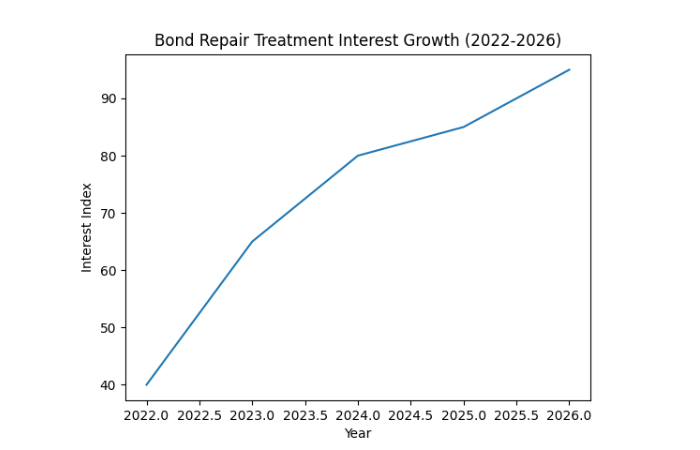
| 2023 | Bond Repair Rebellion | Structural overhaul over the smoothness of cosmetics | Bond-building treatments (e.g., Ola plex-style technology) became mainstream in salons and home routines | Surge in bond repair adoption; consumers educated on internal hair strengthening |
| 2024 | Personalized Hair Health & AI | Customization and diagnostics-driven care | AI scalp analysis and modified product recommendations gained traction | Rising use of home diagnostics; shift toward precision treatment selection |
| 2025 | Increased Scrutiny & Safety Awareness | Ingredient safety and evidence-based treatments | Concerns over chemicals like glyoxylic acid, backlash against viral DIY damage trends | Customers prioritized clinically validated solutions over social-media hacks |
| 2026 | Data-Driven Damage Prevention | Preventative repair and long-term hair integrity | Rapid growth in leave-in repair systems and “hair botox” style treatments | Repair category up ~2,400% YoY; continued expansion driven by awareness and innovation |
Salon & Clinic Treatment Prices (Global)
| Treatment Type | Price Range (USD) | Notes |
| Basic Moisture Treatment | $35–$50 | Entry-level repair |
| Protein Reconstruction | $40–65 | Strengthens structure |
| Deep Conditioning | $35–60 | Hydration focus |
| Bond Repair Treatments | $80–$200+ | Premium salon protocol |
| Scalp Detox & AI Diagnoses | $50–$150 | New trend |
Regional Price Variations
- America & Western Europe: Premium services for high-end.
- Asia-Pacific: Competitive pricing with rapidly expanding clinical salons.
- Middle East & India: Growing personalized scalp therapies.
monthly Long-term care and protocols (e.g., quarterly bond repair and monthly trims) typically cost $150–$250/year in many developed markets.
Geographical Differences in Damage & Treatment
Hair care preferences and damage patterns vary by region:
America
- High heat styling damage
- Increased demand for AI diagnostics
- Safety regulatory focus
Europe
- Emphasis on organic, eco-certified products
- Growing bond repair and scalp health focus
Asia-Pacific
- Cultural hair care traditions blended with advanced clinical treatments
- Rapidly expanding salon networks
India
- Strong organic and Ayurvedic hair care culture
- Rising interest in scientific hair repair
Statistical Overview: Hair Damage Market 2022–2026
Here is a snap shot of market acceptance and consumer behavior:
| Metric | 2022 | 2023 | 2024 | 2025 | 2026 |
| Bond Repair Interest | Medium | High | Very High | Very High | Exploding |
| AI Diagnostics Use | Low | Medium | High | High | Higher |
| Consumer Safety Awareness | Medium | Medium | High | Very High | Maximum |
| Professional Salon Visits | Stable | Increasing | Increasing | Stable | Growing |
Market Growth Insight: The conditioning and repair segment is projected to reach USD 18.5 billion by 2035, reflecting quick development in demand.
Case Study: Structural Hair Damage Recovery Over Time
Participant A — Chemical & Heat Damage (2022–2026)
Background
- 30-year-old with history of frequent bleaching + straightening
- Severe split ends & dryness in 2022
Approach
- 2022–2023: Introduced bond repair treatments + reduced chemical processes
- 2024: Added three-monthly trichologist assessments
- 2025: AI-driven product personalization
- 2026: Maintenance protocol + scalp health program
Outcomes
| Year | Breakage | Elasticity | Shine |
| 2022 | Severe | Low | Dull |
| 2023 | Moderate | Moderate | Improving |
| 2024 | Moderate | High | Glossy |
| 2025 | Low | High | Very Glossy |
| 2026 | Minimal | Optimal | Healthy |
Key Learning: Structured rules, combined expert + technical school support, transports measurable improvements.
Top Valued Hurt Restoration Goods (User & Expert Scores)
| Product Category | Notable Picks | Expert Score |
| Bond Repair Masks | K18 Leave-In Repair | 4 Stars |
| Heat Protectants | Kerastase Thermique | 4 Stars |
| Protein Infusion Serums | Extreme Restoration Serum | 4 Stars |
Trend Insight: Products that target internal bond repair and hydration consistently outperform those that simply condition surface cuticles.
Customer Analyses & Real-World Feedback
Positive Reviews
- Increased elasticity after consistent bond repair usage.
- Visible reduction in breakage with weekly serums.
- Enhanced texture when combined with professional guidance.
Challenges Reported
- Some users reported slower initial results with DIY routines.
- Misuse of heat tools and poor brushing habits still lead to recurring damage.
- Viral trends (e.g., harsh scalp exfoliation) caused irritation without repair.
Damaged Hair Market Trend (2022–2026)
Key References for Strong Hair (2026)
- Minimize chemical overload — spacing out dyes and perms.
- Use heat protectants consistently.
- Accept bond restoration and protein/hydration protocols.
- Seek expert diagnosis, especially for chronic damage.
- Avoid trending DIY methods without evidence.
It’s also critical to practice gentle grooming — brushing wet hair can stretch cuticles and cause breakage.
Conclusion
Hair injury in 2026 is no longer a cosmetic afterthought — it’s a scientifically understood condition with targeted treatments and measurable outcomes. From bond repair revolutions in 2023 to AI-enhanced interventions today, the industry has shifted toward evidence-based care.
With proper guidance, the right protocols, and informed product choices, nearly all forms of hair damage can be significantly repaired and prevented.