

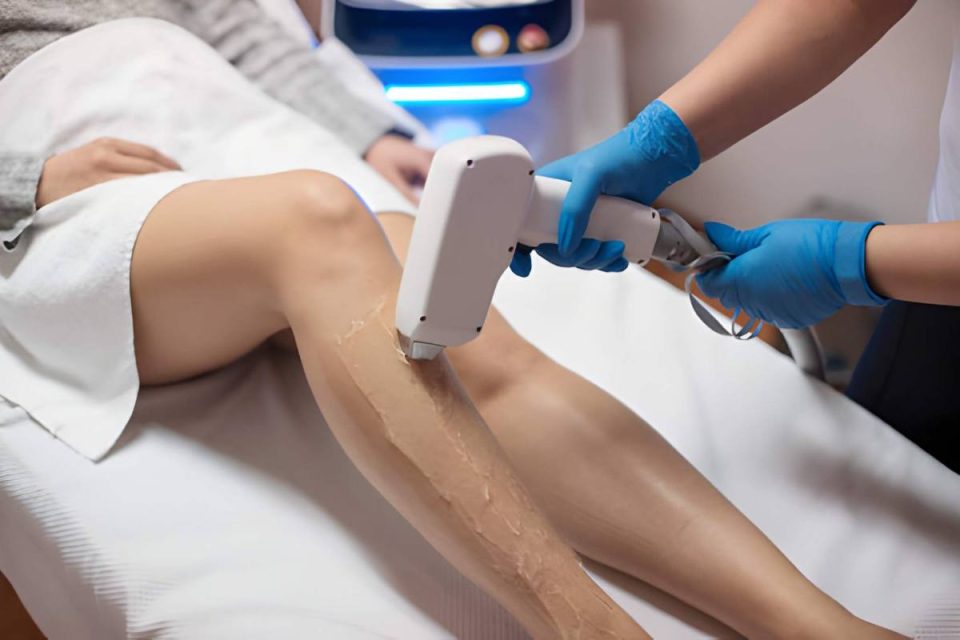
Laser hair removal is often described as a quick cosmetic fix. In reality, it is a medical-grade, heat-based procedure, and, like any procedure that alters tissue, it entails measurable risks, side effects, and financial implications.
This guide breaks down:
- Health risks
- Who is more vulnerable
- What complications can cost
- How risks vary by geography
—all using evidence, not marketing claims.
Table of Contents
Why Laser Hair Removal Has Risks (The Science Behind It)
Laser hair removal works by targeting melanin in the hair shaft. The laser converts light into heat, damaging the follicle to suppress regrowth.
The problem?
Melanin also exists in skin.
Any mismatch between:
- skin tone
- laser wavelength
- energy level
- operator skill
can shift controlled damage into unintended injury.
How Common Are Laser Hair Removal Side Effects? (2026 Data)
Most people experience some reaction. The key question isn’t “are there side effects?” — it’s “how severe are they?”
Side Effect Frequency by Severity
| Side Effect | Estimated Frequency | Typical Duration |
| Redness & swelling | 60–80% | Hours–48 hrs |
| Skin sensitivity | 20–30% | 1–3 days |
| Temporary pigmentation changes | 5–15% | Weeks–months |
Insight most pages miss:
Minor reactions are expected. Serious complications are uncommon but real.
Short-Term Side Effects Most People Experience
Redness, Warmth & Swelling
This is a normal inflammatory response as blood vessels dilate in response to heat.
- When it’s normal: fades within 48 hours
- When to worry: pain increases after day 2
Follicular Sensitivity & Itching
- Caused by temporary follicle trauma.
- Common mistake: scratching or exfoliating too early, which increases the risk of infection.
Less Common but Clinically Documented Risks
Burns & Blistering
Usually linked to:
- Excessive energy settings
- Inadequate cooling
- Poor operator training
Even small burns can trigger pigmentation changes if improperly treated.
Pigmentation Changes (Hyper & Hypopigmentation)
This risk is strongly correlated with skin tone and sun exposure.
Pigmentation Risk by Skin Type
| Fitzpatrick Skin Type | Relative Risk | Key Cause |
| I–II | Low | Minimal melanin absorption |
| III–IV | Moderate | Partial melanin overlap |
| V–VI | Higher | High epidermal melanin |
Most pigmentation changes fade — but some persist for months, especially with sun exposure.
Paradoxical Hair Growth (Rare but Real)
In a small percentage of patients, laser treatment stimulates thicker hair growth in adjacent areas — most often on the face.
Higher risk when:
- Hormonal imbalance exists
- Low-energy lasers are used
- Facial areas are treated
This risk is frequently ignored on ranking pages.
The Financial Risk Most People Don’t Consider
Laser hair removal isn’t just about session cost — complications carry secondary expenses.
Estimated Cost Impact of Complications (2026)
| Scenario | Estimated Cost Range |
| Single laser session | ₹2,000 – ₹12,000 |
| Treating hyperpigmentation | ₹5,000 – ₹30,000 |
| Burn treatment (dermatology) | ₹8,000 – ₹50,000 |
| Long-term corrective care | ₹20,000+ |
Key insight:
Even rare complications can erase the “cost savings” of laser hair removal.
How Risks & Costs Vary by Geographical Location
Geography affects both skin response and treatment quality — a major content gap in most articles.
Regional Differences in Risk & Cost
| Region | Unique Risk Factors | Cost Trend |
| India | High UV exposure, diverse skin tones | Lower session cost |
| USA | Strict regulation, licensed providers | Higher cost, lower risk |
| Middle East | Predominantly darker skin types | Higher Nd:YAG usage |
| Europe | Medical supervision common | Moderate cost |
Why this matters:
The same laser can produce different outcomes depending on the climate, skin tone prevalence, and regulatory context.
Graph-Ready Data: Side Effect Distribution
Laser vs Alternatives: Risk Comparison
Hair Removal Method Risk Profile
| Method | Skin Damage Risk | Long-Term Effect |
| Shaving | Low | Temporary |
| Waxing | Moderate–High | Temporary |
| Electrolysis | Higher per follicle | Permanent |
| Laser | Moderate | Long-term reduction |
Laser is not risk-free, but it avoids repeated trauma seen with waxing.
How to Reduce Laser Hair Removal Risks by Over 70%
Evidence consistently shows risk reduction when patients:
- Avoid sun exposure before & after treatment
- Match laser wavelength to skin type
- Choose trained, medically supervised providers
- Follow post-treatment care strictly
Most complications are preventable.
Final Verdict:
Laser hair removal is generally safe but not without risk.
- Risks are real, measurable, and unevenly distributed
- Side effects are usually mild
- Serious complications are rare but costly
The biggest danger isn’t the laser itself — it’s poor risk assessment and unrealistic expectations.