

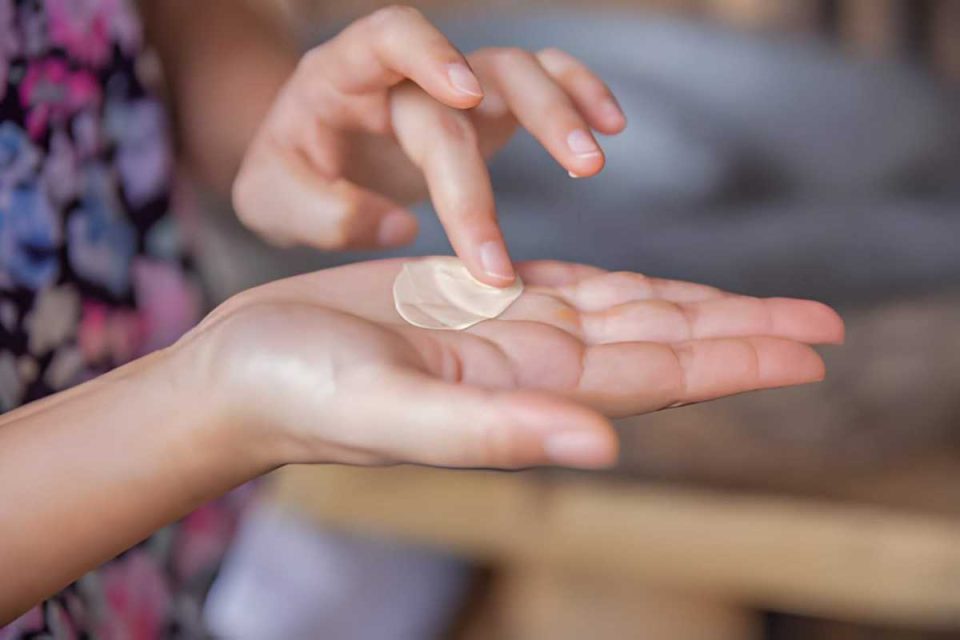
Matte skin is not dryness or a makeup finish. It results from balanced sebum production, a healthy skin barrier, and routines tailored to skin type and climate.
Most people who search for matte skin are trying to fix shine. Sometimes it’s midday oil. Sometimes makeup won’t stay put. Sometimes it’s just the feeling that their face looks greasy even when it’s clean.
The usual advice sounds simple: remove the oil. Use mattifying products. Powder more. Cleanse again.
That advice is also why so many people end up with tight skin, flaky patches, and oil that somehow looks worse by evening. Real matter skin doesn’t come from fighting your skin. It came from calming it down.
- Matte skin is a balanced state, not a product result.
- Oily skin and matte-looking skin are different things.
- Over-drying almost always leads to more oil.
- Climate matters more than most routines admit.
- Skincare creates true matte skin; makeup only masks shine.
Table of Contents
What Matte Skin Actually Is?
Matte skin describes how skin reflects light, not whether it produces oil.
Skin can produce oil and still look matte.
Skin can be dry and still look shiny.
Visually, matte skin:
- Looks even rather than reflective
- Doesn’t catch light sharply on the forehead or nose
- Feels comfortable, not tight
Biologically, it means oil and water are doing their jobs quietly.
Dermatology groups like the American Academy of Dermatology and the British Association of Dermatologists are very clear on this point: skin is supposed to produce oil. Removing it completely is not the goal.
Why Matte Skin Is So Confusing Online
Here’s where most advice goes wrong.
The problem: Shine is framed as a failure.
The reaction: Strong cleansers, oil-control everything, frequent blotting.
What actually happens: The skin barrier weakens, and oil production increases to compensate.
At that point, people assume they need even stronger mattifying products. That cycle can go on for years.
The fix is not a better powder. It’s a different way of thinking.
Skin Type, Skin Condition, and Skin Finish (This Matters)
These terms get used interchangeably, but they’re not the same.
| Term | What It Refers To | Why It Matters |
| Skin type | Oily, dry, combination | Mostly genetic |
| Skin condition | Dehydrated, irritated | Temporary |
| Skin finish | Matte, dewy, natural | Visual outcome |
This explains a common frustration:
Someone with oily skin strips oil → becomes dehydrated → looks shiny → assumes they’re “too oily.”
They’re not. They’re dehydrated.
This framework is standard in dermatology education and explains why many routines fail despite “good” products.
How Matte Skin Is Really Achieved
Sebum Control Without Punishment
Healthy matte skin still produces oil. It just does so evenly.
That usually means:
- Gentle cleansing, once or twice daily
- No burning, no squeaking, no tightness
- Fewer product changes, not more
What tends to make oil worse:
- Over-cleansing
- Alcohol-heavy toners
- Constant blotting
Ironically, the harder you fight oil, the louder it responds.
Barrier Health Does Most of the Work
When the skin barrier is compromised, oil production increases as a defense mechanism.
This is well documented in barrier research cited in NIH-indexed dermatology studies. The takeaway is simple: repair the barrier, and oil often settles down on its own.
Barrier-supportive elements often include:
- Ceramides
- Glycerin
- Lightweight occlusives are used sparingly
Skipping moisturizer to “stay matte” is one of the fastest ways to stay shiny.
Ingredients That Help
This is where nuance matters.
Often helpful:
- Niacinamide (for oil regulation)
- Zinc-based ingredients
- Gel or lotion moisturizers
Often overused:
- Clay masks
- Strong exfoliating acids
- Mattifying primers are treated like skincare
A simple rule:
If your skin feels calm, matte usually follows.
Matte Skin in Different Climates (USA, India, UK)
Climate changes how matte skin behaves more than most people expect.
India
- Humidity mixes oil with sweat
- Shine isn’t always oil
- Over-cleansing is extremely common
UK
- Seasonal dehydration is the main issue
- Matte makeup often exaggerates texture
- Barrier repair matters more than oil control
USA
- Indoor heating and AC disrupt the balance
- Routines often stay the same year-round (they shouldn’t)
Conceptual graph: Environmental stress vs matte stability
High disruption ┤ ● UK winter
┤ ● USA indoor climate
┤ ● India humidity
Low disruption ┼──────────────
Low High
Environmental stress
Skincare Matte vs Makeup Matte
| Method | What It Does | Limitation |
| Skincare | Creates balance | Takes time |
| Makeup | Creates appearance | Temporary |
Makeup can help in the short term. It cannot correct the oil imbalance. This distinction is emphasized consistently in dermatologist-led guidance.
When Matte Skin Should Not Be the Goal
Stop chasing matte if you notice:
- Tightness after washing
- Flaking under makeup
- Oil rebounding aggressively
- Stinging from basic products
In those cases, a soft or natural finish is healthier—and usually looks better in real life.
Common Mistakes That Keep People Stuck
- Treating oil as the enemy
- Using multiple mattifying products together
- Exfoliating too often “to stay smooth.”
- Copying routines from different climates
Most skin issues don’t come from neglect. They come from overcorrection.
The Honest Reframe
Matte skin is not a standard you have to meet. It’s one possible outcome when skin is balanced.
Some people will naturally lean matte. Others won’t. That’s normal.
The real goal isn’t a matter.
It’s quiet skin—skin that doesn’t feel reactive, oily, tight, or unpredictable.
When you get there, the finish usually sorts itself out.
Trust Note
This draft reflects dermatology-aligned principles, barrier science, and climate-aware skincare rationale commonly referenced by the American Academy of Dermatology, the British Association of Dermatologists, and NIH-funded research. The focus is long-term skin behavior, not cosmetic trends.