

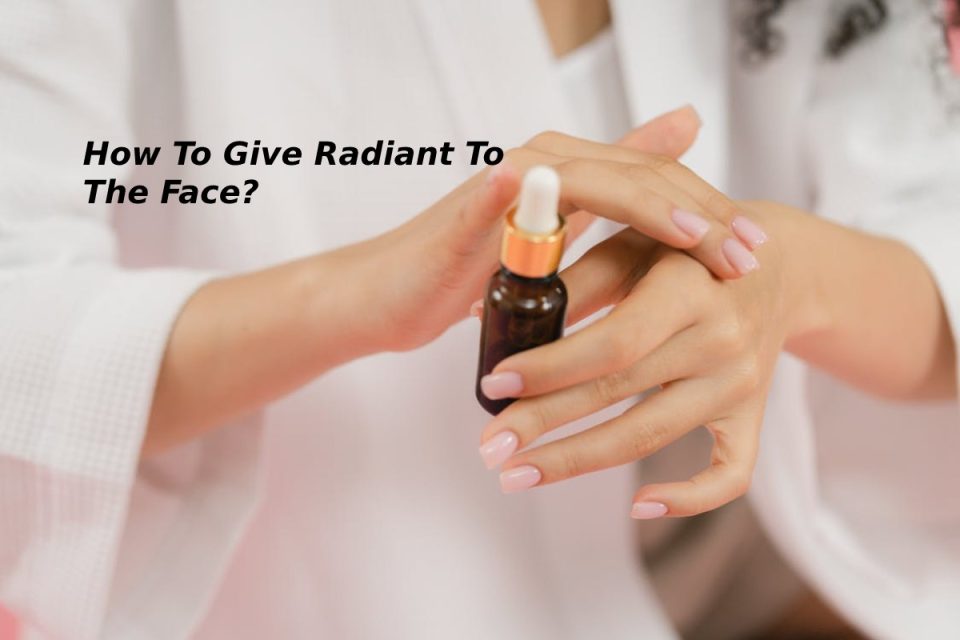
Radiance is not created by products; it develops when the skin wall, hydration balance, and renewal cycle function optimally.
Most people exploration for the ways to look radiant, expecting a product list. The real answer is simpler and less marketable: radiant skin is a organic outcome, not a beautifying trick. If your skin structure is healthy, it reflects light evenly and appears naturally brilliant. If it’s inflamed, over-treated, or dehydrated, no serum can fully fake that effect.
This guide explains what happiness actually is, why it disappears, and how to restore it using
Who This Article Is For
This is for you if:
- You feel your skin looks tired despite using “good” products.
- You want to recognize the wherefore behind schedule glow, not just follow routines.
- You prefer longstanding skin health over trend-driven fixes.
This is non for you if:
- You want instant cosmetic shine for short-term events.
- You’re looking for makeup-based luminosity techniques.
What Organizes “Radiant” Really Mean?
Radiant skin reproduces light regularly because its external is smooth, hydrous, and minimally inflamed.
Think of the transformation between:
- A injured surface → scatters light (looks dull)
- A polished surface → reflects light evenly (looks radiant)
Skin behaves the same way.
| Skin Condition | Light Behavior | Visual Result |
| Rough or inflamed | Diffused reflection | Dull appearance |
| Balanced hydration | Even reflection | Soft glow |
| Excess oil | Chaotic reflection | Greasy shine |
| Over-exfoliated | Patchy reflection | Uneven brightness |
Radiance is therefore structural clarity, not brightness.
Why Skin Loses Radiance (Even With Good Routine)
- Barrier Disruption
After the defending fat layer is declining, water escapes—a development known as transepidermal water loss
This creates micro-roughness that interrupts light reflection.
Common triggers:
- Harsh cleansers
- Regular exfoliation
- As well as many active elements layered together
Directions from establishments such as the American Academy of Dermatology consistently emphasize barrier preservation as foundational to healthy skin appearance.
- Chronic Micro-Inflammation
Low-level frustration often invisible changes like blood flow and pigment signaling.
Triggers comprise:
- Pollution exposure
- Friction or over-cleansing
- Constant product switching
Research summaries published by Harvard Health Publishing often note that inflammation accelerates visible aging and dullness long before wrinkles appear.
- Desynchronized Cell Turnover
Skin restarts itself in sequences. When we push exfoliation else regularly, immature cells reach the surface before they are ready, reducing translucency.
Radiance requires timing, not speed.
The 4 Pillars of True Radiance
Pillar 1 — Barrier Integrity
A stable barrier creates a smoother optical surface.
Support it by:
- Using gentle cleansing.
- Pairing activities with recovery days.
- Ranking lipid-replenishing moisturizers.
Pillar 2 — Hydration Dynamics
Radiance depends on how water moves within skin layers.
| Surface Hydration | Deep Hydration |
| Temporary plumpness | Sustained glow |
| Quick cosmetic effect | Structural development |
Hydration is a process, not a product category.
Pillar 3 — Controlled Renewal
Exfoliation helps—but only when balanced with repair.
Failure Pattern Seen Often:
“Skin looks brighter for one week, then becomes tight, shiny, and dull.”
That is barrier collapse masquerading as glow.
Pillar 4 — Inflammation Management
Quiet skin reflects light better because passageway activity and pigment signals remain stable.
Global public health research, including work summarized by the World Health Organization, shows that sleep quality, stress regulation, and environmental exposure directly influence inflammatory pathways, including those affecting the skin.
Radiance Myths That Quietly Damage Skin
| Myth | Why It Sounds Logical | Why It Backfires | Better Approach |
| “Exfoliate daily for glow.” | Removes dead cells | Creates chronic irritation | Exfoliate cyclically |
| “More actives = faster results” | Stronger = better | Barrier destabilization | Use fewer, consistently |
| “Glow should be instant.” | Marketing imagery | Biology takes time | Think in skin cycles |
A Smarter Routine: Match Care to Your Skin State
Radiance improves when treatment intensity matches the skin’s tolerance.
| Skin State | Priority | Strategy |
| Dull but resilient | Encourage renewal | Mild exfoliation 1–2× weekly |
| Sensitive or reactive | Repair first | Barrier-focused routine |
| Oily yet lackluster | Rebalance hydration | Avoid stripping cleansers |
| Over-treated skin | Reduce inputs | Simplify for 3–4 weeks |
Lifestyle Signals Influence Radiance More Than Most Realize
Skincare accounts for only part of the visible glow.
Three underestimated drivers:
- Sleep: Regulates nighttime repair hormones.
- Nutrition stability: Prevents glycation, which stiffens collagen.
- Circulation from movement: Improves nutrient delivery to skin.
These systemic inputs often determine whether skincare works at all.
Professional Treatments vs. At-Home Care
| Approach | Role | Best Use |
| Clinical procedures | Reset when skin is unresponsive | Targeted correction |
| Consistent home care | Maintain equilibrium | Long-term radiance |
Treatments can accelerate progress, but only daily habits sustain it.
How Long Does Radiance Actually Take?
Radiance follows biology, not marketing timelines.
Typical progression (illustrative):
- Weeks 1–2: Hydration improves texture.
- Weeks 3–5: Barrier normalization reduces dullness.
- Weeks 6–8: Light reflection visibly evens out.
If results appear overnight, they are usually cosmetic—not structural.
Maintaining Radiance Once You Achieve It
Radiant skin is easier to maintain than to rebuild.
Maintenance Principles:
- Resist adding unnecessary activities.
- Protect gains with consistent basics.
- Allow recovery phases between treatments.
Radiance thrives on predictability.
The Core Idea to Remember
Radiance is not something you apply.
It is something your skin expresses when its systems are balanced.
Once you stop forcing glow and start supporting function, luminosity becomes a side effect of health—not a goal you chase endlessly.
Suggested Internal Links (For Site Architecture)
- Link to a deeper guide on skin barrier repair fundamentals.
- Link to an explainer on how to introduce active ingredients safely.
E-E-A-T Trust Note (Author/Brand Block Suggestion)
This article synthesizes dermatological principles, clinical skincare methodology, and public-health research to interpret “radiance” through skin function rather than product marketing. It is intended for educational purposes only; readers with persistent skin concerns should consult a qualified dermatologist.
FAQ’s
What is radiant skin?
Radiant skin is skin that reflects light evenly because it is smooth, hydrated, and minimally inflamed. It is a sign of functional skin health, not surface shine or cosmetic brightness.
How can I make my skin look radiant naturally?
Focus on restoring skin balance rather than adding more products:
- Cleanse gently to avoid barrier damage.
- Use hydration-supporting ingredients consistently.
- Exfoliate sparingly (1–2× per week for most people).
- Prioritize sleep, nutrition stability, and stress control.
Radiance appears when the skin is not under constant stress.
Why does my skin look dull even when I use skincare?
Dullness often comes from:
- Over-exfoliation that disrupts the barrier.
- Dehydration inside the skin (not visible dryness).
- Low-level inflammation from too many activities.
Adding more products can worsen the issue rather than fix it.
Is glowing skin the same as oily skin?
No. Oil creates an uneven sheen, while radiant skin reflects light evenly.
You can have oily skin that looks dull—or balanced skin that looks luminous.
How long does it take to achieve radiant skin?
Most people notice meaningful improvement after one full skin-renewal cycle (about 4–8 weeks).
Instant “glow” is usually temporary hydration or cosmetic effect, not true radiance.
Do I need exfoliation for radiant skin?
Yes—but in moderation.
Exfoliation helps remove buildup, but overuse can cause inflammation and reduce radiance. Balanced renewal plus recovery is key.
Can lifestyle really affect how radiant my skin looks?
Yes. Sleep quality, stress levels, movement, and diet influence circulation, repair signaling, and inflammation—all of which directly affect how skin reflects light.
What’s the biggest mistake people make when trying to get radiant skin?
Trying to force results with stronger or more frequent treatments.
Radiance comes from consistency and repair, not intensity.
Quick Self-Assessment: Are You Supporting Radiance?
| Question | If “No,” Start Here |
| Are you using fewer than 3–4 active products? | Make a simpler routine. |
| Does your skin feel calm, not tight, after cleansing? | Switch to a gentler cleanser. |
| Do you allow recovery days without activities? | Add rest days |
| Is your routine consistent for 4+ weeks? | Avoid constant changes |