

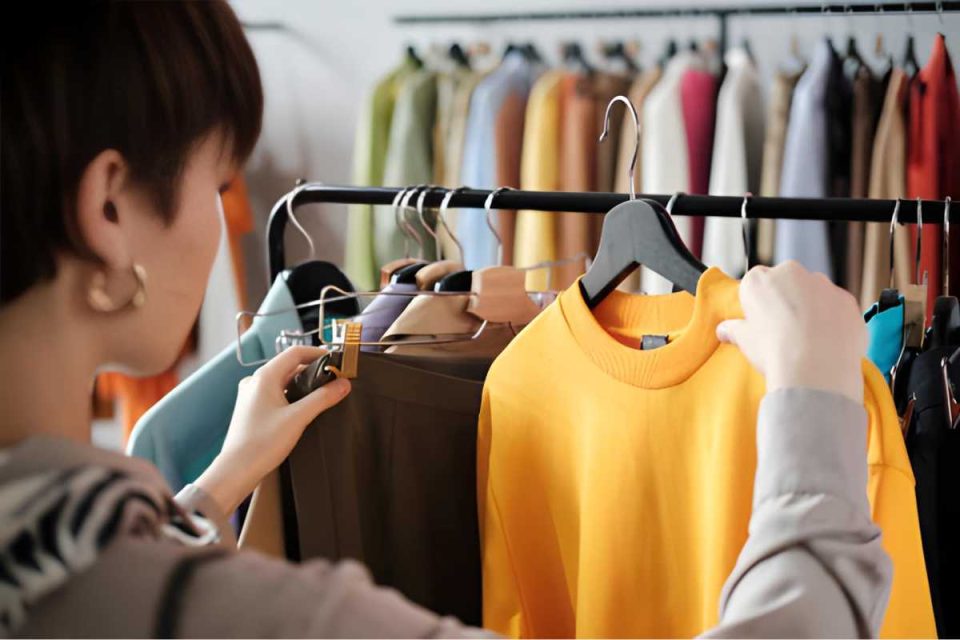
Classy outfits are not about copying looks or buying expensive clothes. They are built using repeatable principles—fit, fabric, proportion, and restraint—that work across ages, budgets, and cultures.
If you’ve ever saved a “classy outfit” online and then felt oddly disappointed after wearing something similar, you’re not imagining it. This happens to a lot of people. The clothes look right on screen, but on your body, in your life, they somehow lose the magic.
The reason is simple: most fashion advice shows results, not reasoning. This article does the opposite. It explains how classy outfits actually work, so you can build them yourself—without guessing, copying influencers, or overspending.
Table of Contents
Key Takeaways
-
“Classy” is a way of dressing, not a specific look.
-
Fit and fabric influence elegance more than trends.
-
One strong element per outfit is enough.
-
Overdoing things is the fastest way to look less classy.
-
The same principles apply in the USA, UK, and India, with small adjustments.
What “Classy” Really Means
People use “classy” casually, but visually, it’s quite specific.
When researchers, fashion schools, and luxury brands analyze elegance, they usually land on the same idea: classy outfits feel controlled. Nothing looks rushed, loud, or accidental.
A classy outfit usually:
-
Feels calm when you look at it
-
Makes sense for the situation
-
Doesn’t rely on trends to explain itself
It’s not about age, modesty, or money. It’s about restraint.
Why Most Classy Outfit Lists Don’t Translate to Real Life
Most top-ranking pages give you long lists:
-
“25 classy outfits for women”
-
“30 timeless outfit ideas”
-
Celebrity photos with shopping links
These lists look helpful, but they hide a problem. They assume your body type, your climate, your lifestyle, and your clothes are the same as the example.
They aren’t.
Without understanding why an outfit works, copying it becomes a gamble. And when it fails, people assume they’re the problem—not the advice.
They’re wrong.
The Principles That Make an Outfit Look Classy
Once you understand these, you stop needing lists.
Fit Comes Before Style
Fit doesn’t mean tight. It means intentional.
Classy clothes:
-
Sit properly on the shoulders
-
Follow the body without clinging
-
End at clean, deliberate lengths
Even simple clothes look elegant when they fit well. Expensive ones look sloppy when they don’t.
Fabric Is the Quiet Signal People Notice First
Before anyone registers the cut of a dress or the brand of a blazer, they notice texture.
| Fabric Quality | Visual Effect |
|---|---|
| Matte finish | Polished |
| Good weight | Structured |
| Natural blends | Refined |
| Shiny / thin | Cheap-looking |
This is why a plain cotton shirt often looks better than a flashy synthetic top.
The One-Statement Rule
A classy outfit usually has one thing doing the talking.
That could be:
-
A strong silhouette
-
A rich, muted color
-
One intentional accessory
When everything tries to stand out, nothing does.
Visual idea (simplified):
More elements ≠ more elegance
More elements = more noise
Classy Outfit Ideas That Actually Work Day to Day
Everyday Classy
This is where most people overthink.
A reliable formula:
-
Clean, fitted top
-
Structured bottom
-
Simple, closed or minimal shoes
Examples:
-
White shirt + straight jeans + loafers
-
Knit top + midi skirt + flats
-
Linen shirt + tailored pants + sandals
This style fits naturally into everyday life in the USA and UK, where “effortless but neat” is the norm.
Classy Office Outfits for Women
Office elegance is about predictability.
What changes by market:
-
USA: softer tailoring, flexible rules
-
UK: sharper lines, darker tones
-
India: fabric quality and layering matter more than cut alone
Examples:
-
Blazer + neutral top + ankle trousers
-
Midi dress with a belt
-
Structured kurta with straight pants
If it feels reliable, it usually looks classy.
Evening and Dinner Outfits
Most evening outfits fail because everything is turned up at once.
A better question to ask:
“What is the main point of this outfit?”
Good choices:
-
A clean midi dress
-
A monochrome jumpsuit
-
A matte saree with minimal jewelry
If the outfit already stands out, let the accessories rest.
Dressing Classy as You Get Older
Elegance often improves with age, because priorities change.
What tends to work better over time:
-
Straight or relaxed silhouettes
-
Mid-rise bottoms
-
Better fabric, fewer pieces
It’s not about “dressing your age.” It’s about dressing with clarity.
Looking Classy Without Spending Much
A lot of “classy” is maintenance.
Small changes that make a big difference:
-
Pressed clothes
-
Proper hems
-
Neutral shoes in good condition
-
Limiting outfits to two or three colors
| Looks Expensive | Looks Classy |
|---|---|
| Trend-heavy | Clean and simple |
| Loud branding | Quiet confidence |
| Poor fit | Intentional fit |
Classy outfits usually look simpler than you expect.
Colors That Almost Always Read Elegant
Across cultures, these colors show up again and again in elegant dressing:
-
Cream and ivory
-
Navy
-
Camel and beige
-
Charcoal
-
Muted pastels
Black can work, but only when the fit and fabric are excellent. Otherwise, it looks harsh.
Common Ways People Accidentally Ruin a Classy Outfit
-
Adding too many accessories
-
Wearing shiny fabrics during the day
-
Ignoring shoes
-
Mixing styles that don’t belong together
-
Choosing trend over fit
Most mistakes come from adding, not lacking.
The Real Shift: Classy Is a Skill
Once you understand how proportion, fabric, and restraint work, dressing well stops feeling stressful.
You’re no longer copying outfits.
You’re making decisions.
That’s the difference between wearing clothes—and wearing them well.
Trust Note
This article is based on fashion education principles, consumer perception research, and real-world styling patterns observed across the USA, UK, and India. The goal is long-term usefulness, not trend-driven advice.